

latanyamargare
About latanyamargare
The Rise and Fall (and Potential Resurrection?) of Golden Panda Casino
The Golden Panda Casino, for a brief but intense period, captivated the gambling world. Its story is a fascinating blend of ambition, innovation, controversy, and ultimately, a cautionary tale about the volatile nature of the casino industry. This article will delve into the origins of the Golden Panda, its rapid ascent, the factors that contributed to its downfall, and speculate on the possibility of its revival.
The Genesis: A Vision of Opulence and Innovation

The Golden Panda Casino wasn’t just another brick-and-mortar establishment hoping to attract the usual clientele. It was envisioned as a revolutionary gaming experience, a fusion of Eastern aesthetics and cutting-edge technology. The brainchild of Marcus Thorne, a tech entrepreneur with a penchant for gambling and a deep understanding of market trends, the Golden Panda aimed to redefine the casino landscape.
Thorne’s vision was multi-faceted. First, he wanted to create an environment that was visually stunning and culturally relevant. Drawing inspiration from traditional Chinese art and design, the casino’s interior was adorned with intricate carvings, vibrant colors, and, of course, numerous depictions of the majestic panda. The color palette was carefully chosen to evoke feelings of prosperity, good fortune, and tranquility – a stark contrast to the often-garish and overwhelming atmosphere of traditional casinos.
Second, Thorne recognized the increasing importance of technology in enhancing the gaming experience. He invested heavily in state-of-the-art gaming machines, including interactive slots with immersive graphics and sound effects. He also implemented a sophisticated customer relationship management (CRM) system that allowed the casino to personalize the experience for each player, tracking their preferences, betting habits, and loyalty program status.
Perhaps the most groundbreaking innovation was the introduction of virtual reality (VR) gaming. While still in its nascent stages, VR technology was seen as the future of entertainment. The Golden Panda featured a dedicated VR gaming zone where players could immerse themselves in a variety of simulated casino environments, from classic poker rooms to futuristic racing tracks. This was a major draw for tech-savvy gamblers and helped to position the Golden Panda as a pioneer in the industry.
The Ascent: A Whirlwind of Success
The Golden Panda Casino opened its doors to the public with a grand opening that was widely publicized. Celebrities, high-rollers, and curious onlookers flocked to the venue, eager to experience the next generation of gambling. From the outset, the Golden Panda was a resounding success.
The casino’s unique blend of Eastern elegance and technological innovation proved to be a winning formula. The visually stunning environment and personalized service attracted a diverse clientele, ranging from seasoned gamblers to casual players. The VR gaming zone, in particular, generated significant buzz and drew in a younger demographic that was typically less interested in traditional casino games.
Financially, the Golden Panda exceeded all expectations. Revenue soared in the first few months of operation, quickly recouping the initial investment. The casino’s stock price skyrocketed, making Thorne a billionaire and solidifying his reputation as a visionary entrepreneur. The Golden Panda became a symbol of success, innovation, and the transformative power of technology.
The Cracks Begin to Show: Overexpansion and Regulatory Scrutiny
Despite its initial success, the Golden Panda’s reign at the top was relatively short-lived. A series of factors, both internal and external, began to erode the casino’s foundation and ultimately led to its downfall.
One of the primary culprits was overexpansion. Fueled by its early success, Thorne embarked on an ambitious expansion plan, opening new Golden Panda casinos in multiple locations across the globe. While this strategy initially appeared to be sound, it quickly proved to be unsustainable.
The expansion was financed largely through debt, which put a significant strain on the company’s finances. Furthermore, the new casinos struggled to replicate the success of the original, often failing to attract the same level of clientele or generate the same level of revenue. This was partly due to the difficulty of replicating the unique atmosphere and technological infrastructure of the original Golden Panda.
Another major challenge was regulatory scrutiny. The Golden Panda’s innovative approach to gaming, particularly its VR offerings, attracted the attention of regulators around the world. Concerns were raised about the potential for addiction, the lack of transparency in VR gaming, and the potential for money laundering.
Regulators began to impose stricter rules and regulations on the Golden Panda, requiring it to implement more robust anti-money laundering measures and to provide clearer disclosures about the risks associated with VR gaming. These regulatory burdens increased the casino’s operating costs and made it more difficult to attract customers.
The Fall: Scandals and Financial Ruin
The combination of overexpansion and regulatory scrutiny proved to be a fatal blow to the Golden Panda Casino. As revenue declined and costs increased, the company’s financial situation deteriorated rapidly.
The final nail in the coffin was a series of scandals that further damaged the casino’s reputation. Allegations of illegal gambling practices, including accusations of fixing games and colluding with high-rollers, surfaced in the media. These allegations led to a sharp decline in public confidence and a further drop in revenue.
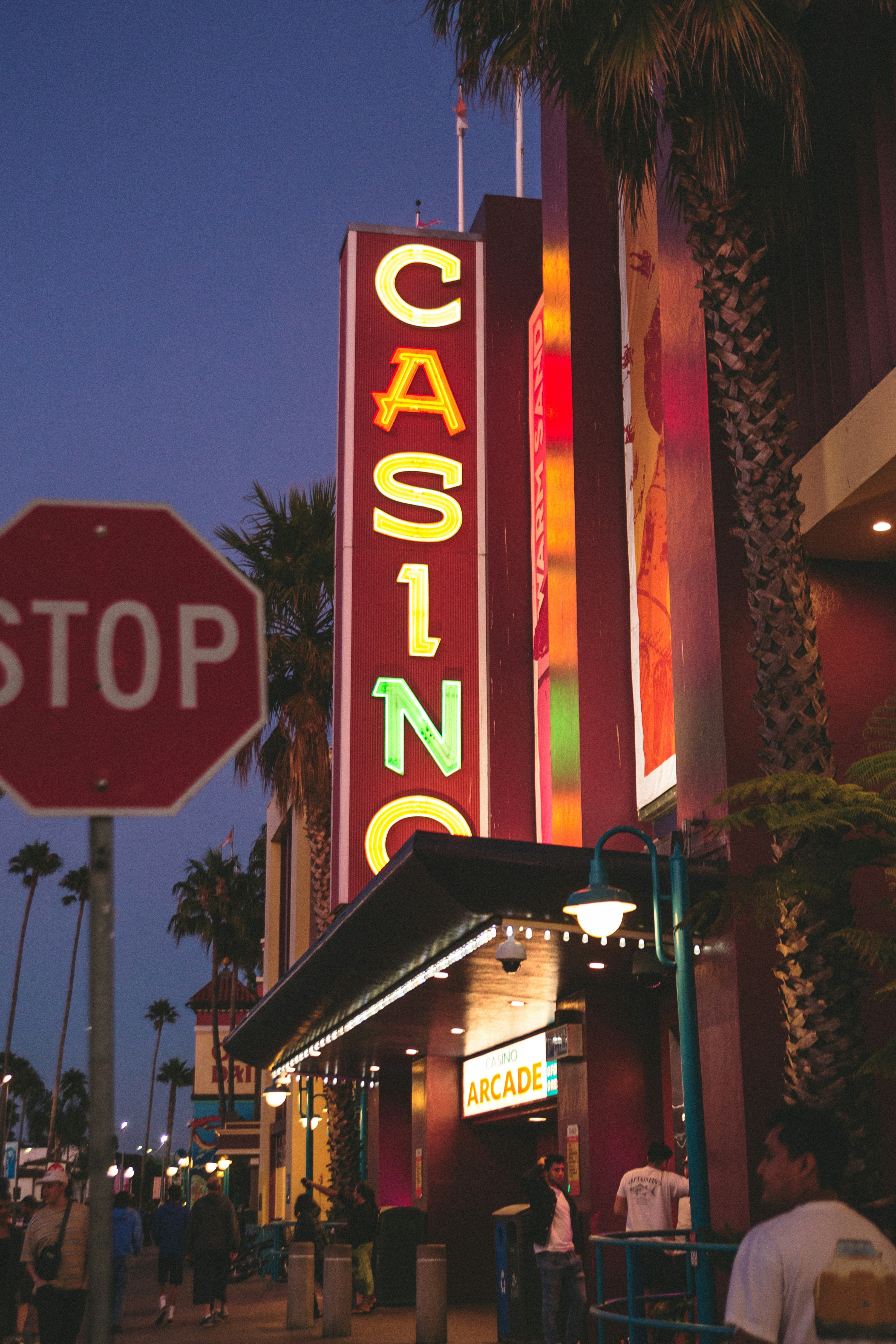
Faced with mounting debt, declining revenue, and a tarnished reputation, the Golden Panda Casino was forced to declare bankruptcy. Thorne was forced to resign as CEO, and the company’s assets were sold off to pay off its creditors. The Golden Panda, once a symbol of innovation and success, had become a cautionary tale of greed, mismanagement, and the dangers of unchecked ambition.
The Legacy: Lessons Learned and Potential for Resurrection

The story of the Golden Panda Casino offers valuable lessons for the casino industry and the broader business world. It highlights the importance of sustainable growth, responsible innovation, and ethical business practices.
The casino’s downfall underscores the dangers of overexpansion and the need for careful financial planning. It also illustrates the importance of adapting to regulatory changes and maintaining a positive public image.
However, the story of the Golden Panda may not be over yet. Despite its bankruptcy, the casino’s brand still holds significant value. The Golden Panda was a pioneer in the use of technology in gaming, and its VR offerings were particularly innovative.
There is potential for a new company to acquire the Golden Panda brand and revive the casino in some form. This could involve opening a new casino, launching an online gaming platform, or even developing a VR-based casino game.
The success of a revived Golden Panda would depend on several factors, including the ability to secure access funding, to develop innovative new gaming technologies, and to build a strong management team. It would also be crucial to learn from the mistakes of the past and to adopt a more sustainable and ethical business model.
The Potential for a Modern Revival
In today’s world, the landscape for a Golden Panda resurgence looks potentially promising. The online gambling market is booming, fueled by increased accessibility and the growing popularity of mobile gaming. The technology that was nascent during the Golden Panda’s initial rise is now far more sophisticated and readily available.
A potential revival could focus on a purely online or hybrid model, leveraging advancements in augmented reality (AR) and mixed reality (MR) to create immersive and engaging gaming experiences that bridge the gap between the physical and digital worlds. Imagine a platform where players can interact with virtual dealers and other players in a photorealistic environment, all while sitting in the comfort of their own homes.
Furthermore, a renewed Golden Panda could emphasize responsible gaming practices from the outset. Integrating AI-powered tools to detect and prevent problem gambling, partnering with responsible gaming organizations, and promoting transparent and ethical marketing campaigns could help rebuild trust and address the concerns that contributed to the casino’s initial downfall.
Challenges Remain
Despite the potential opportunities, significant challenges remain. The online gambling market is highly competitive, with established players already dominating the space. A revived Golden Panda would need to differentiate itself through truly innovative offerings and a strong brand identity.
Regulatory hurdles also remain a concern. Online gambling regulations vary widely across different jurisdictions, and navigating these complexities can be costly and time-consuming. A successful revival would require a deep understanding of the regulatory landscape and a proactive approach to compliance.
Conclusion: A Gamble Worth Taking?
The story of the Golden Panda Casino is a complex one, filled with both triumphs and tragedies. Its rise was meteoric, fueled by innovation and a bold vision for the future of gambling. Its fall was equally dramatic, brought about by overexpansion, regulatory scrutiny, and ultimately, a failure to adapt to changing market conditions.
Whether the Golden Panda can be resurrected remains to be seen. However, the brand still holds significant potential, and the lessons learned from its past could pave the way for a more sustainable and ethical future. With the right leadership, a commitment to innovation, and a strong focus on responsible gaming, the Golden Panda could once again rise to prominence in the gambling world. It’s a gamble, certainly, but one that might just pay off. The key lies in remembering the past while boldly embracing the future of entertainment and responsible gambling.
No listing found.